Understand Smart Water Box Before You Build
Smart Water Box is promoted as a downloadable guide for creating a small atmospheric water generator—a system that collects moisture from air through cooling and condensation. This page explains the idea, the practical limits, the package, the safety questions and the conditions that influence real-world output.
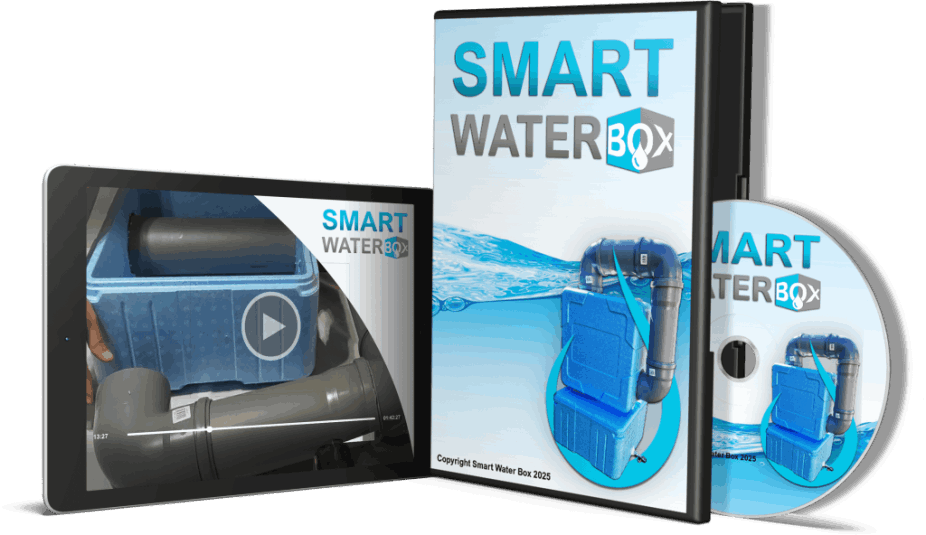
Quick Answer: What Is Smart Water Box?
Smart Water Box is marketed as a downloadable set of instructions for building a DIY atmospheric water generation system. The underlying science is real: air is drawn across a cooled surface, water vapor condenses, and droplets are collected. However, buyers are purchasing guidance—not a ready-made appliance—and water production is not guaranteed. Output depends on local humidity, temperature, system size, airflow, power use and maintenance. Water collected from air should also be properly treated, stored and, when intended for drinking, tested against applicable local standards.
What Smart Water Box Actually Provides
The name can sound like a compact appliance ready to place beside a kitchen counter. Public product pages, however, describe Smart Water Box as a digital do-it-yourself package. The purchaser receives educational material intended to explain how a basic atmospheric water generator can be assembled from accessible components. The exact files, bonuses, support terms and current price should always be confirmed on the seller’s website before payment.
The central project is built around familiar refrigeration and dehumidification principles. A fan moves ambient air through the system. A cooled component lowers the air temperature below its dew point. Moisture then condenses on the cold surface, runs into a collection area and passes through whatever treatment process the builder installs. Similar condensation is visible on a cold bottle during humid weather; an atmospheric water generator simply tries to manage that process in a controlled way.
The most useful way to evaluate the guide is as a preparedness and DIY learning resource. It may help a hands-on homeowner understand components, layout, collection, cleaning and optimization. It should not be treated as a promise of unlimited water, zero operating cost or a guaranteed replacement for a regulated municipal supply.
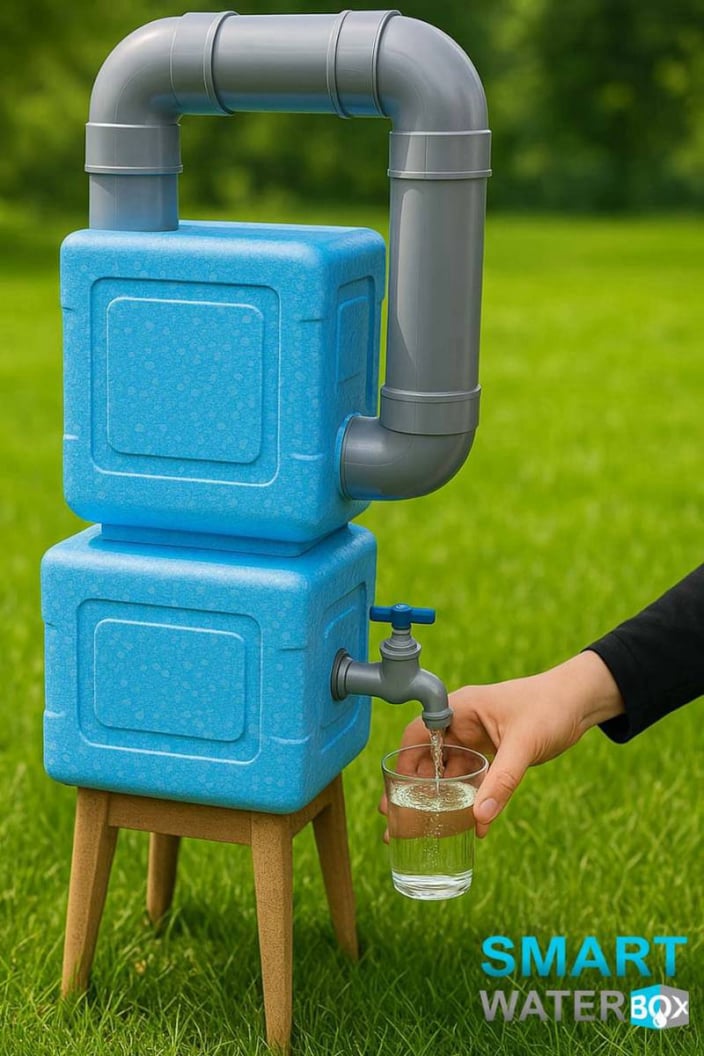
How the Water-from-Air Process Works
Atmospheric water generation is established technology, but its effectiveness is governed by physics. A practical system must move enough air, create a cold enough surface, collect condensate hygienically and use an appropriate treatment train.
Air Intake
A fan draws surrounding air through an intake. Pre-filtration may reduce dust, insects and larger airborne particles.
Cooling
The air contacts a cold coil or plate. Cooling equipment must lower the surface below the dew point.
Condensation
Water vapor changes into droplets on the cooled surface. Warm, humid air normally yields more condensate.
Collection
Droplets drain into a food-safe reservoir. The path must be accessible for cleaning and protected from recontamination.
Treatment
Filtration, disinfection, hygienic storage and testing are chosen according to intended use and local requirements.
Four Variables Behind Realistic Water Output
A headline capacity is not the same as a guaranteed daily result. These variables can change production dramatically.
The official marketing mentions output of up to 40 gallons per day. That figure should be treated as an advertised maximum under favorable conditions, not a typical result for every DIY build or climate.
What Buyers May Receive
Based on public descriptions, the core value is the organization of the project into a simpler learning sequence. Instead of researching every component separately, the package is intended to provide a starting layout, a material list and step-by-step direction. Current inclusions can change, so the seller’s checkout page remains the final source for what is delivered.
A Guide Is Only the First Cost
A sensible budget should account for more than the downloadable instructions. Depending on the design, a builder may need a fan, cooling components, tubing, a collection vessel, filters, electrical protection, tools, cleaning supplies and replacement media. Operating cost depends on local electricity rates and the number of hours the unit runs.
Builders should also consider whether the project requires professional electrical, refrigeration or plumbing help. Repurposing appliances can involve sharp metal, refrigerant circuits, mains voltage, heat, moving parts and condensate that supports microbial growth when neglected. Never open or modify a sealed refrigerant system unless qualified and legally permitted to do so.
Verify Current Package →Smart Water Box vs Other Backup Water Options
No single method is ideal everywhere. A resilient household often combines stored water with one or more replenishment options instead of relying on a single device.
| Factor | Smart Water Box DIY Guide | Commercial AWG | Rainwater Collection | Stored Bottled Water |
|---|---|---|---|---|
| What you obtain | Instructions for a DIY build; parts are acquired separately. | A manufactured appliance with published specifications. | A roof or catchment, gutters, tanks and treatment equipment. | Ready-to-use emergency water with a finite stored volume. |
| Main dependency | Humidity, temperature, power, build quality and maintenance. | Humidity, temperature, electricity and service support. | Rainfall, catchment area, storage capacity and local rules. | Available storage space, rotation practices and resupply. |
| Upfront effort | Moderate to high because the user sources and assembles components. | Lower installation effort but usually a higher purchase price. | Can be substantial when tanks, plumbing and foundations are needed. | Low, although transporting and rotating large quantities is inconvenient. |
| Water-quality control | Builder is responsible for materials, sanitation, treatment and testing. | Depends on certified components, service and filter replacement. | Requires debris control, first-flush design, treatment and safe storage. | Relies on packaging integrity, storage conditions and expiry guidance. |
| Best fit | DIY-minded users who want to learn and experiment with a supplemental source. | Users seeking a tested turnkey appliance and documented performance. | Properties with useful rainfall, suitable roofs and room for tanks. | Every household’s immediate emergency reserve. |
Potential Advantages and Important Limitations
Potential Advantages
Important Limitations
Before Drinking Any Collected Water
Atmospheric water can be exposed to airborne pollutants, microorganisms, dust, volatile compounds, unsuitable construction materials and contamination inside the collection tank. Filtration alone does not solve every possible hazard. Treatment should be matched to the contaminants that may be present, and a laboratory or relevant local authority can advise on appropriate testing.
The CDC recommends storing at least one gallon of water per person per day for three days and trying to maintain a two-week supply when possible. A DIY atmospheric system is better viewed as a possible supplement to that reserve, not a reason to skip it.
Additional Resources Mentioned by the Seller
Public product descriptions mention supporting DIY resources. Confirm the current bonus package and access terms before purchase.
 BONUS RESOURCE
SunHeat DIY Guide
A separate solar water-heating concept intended to support household resilience. Materials, climate, safe temperatures and local codes still require independent evaluation.
PROJECT SUPPORT
Home DIY Material
General household efficiency and maintenance ideas may be included. Treat each project as separate and review any electrical, structural or plumbing risk before starting.
 SELLER POLICY
Refund Period
The reference website advertises a 60-day money-back guarantee. Eligibility, deadlines and the refund process are governed by the seller or payment platform’s current written terms.
Is Smart Water Box a Good Match for You?
The guide is most relevant to people who enjoy learning through a physical project and understand that experimentation is part of the process. A patient builder in a humid region may find the subject useful for emergency preparedness, off-grid planning, a workshop demonstration or a supplemental non-potable water project.
It may be less suitable for someone expecting a certified countertop appliance, guaranteed output, zero maintenance or immediate household water independence. People in arid climates should be especially cautious because there may be little moisture available and the electricity required per gallon can become unfavorable.
Before ordering, write down the outcome you actually need. Is the goal educational, emergency drinking water, garden use, appliance water or a full household supply? Each purpose creates different requirements for volume, treatment, reliability, storage, energy and testing. Clear expectations make it easier to decide whether a digital DIY guide is appropriate or whether a manufactured and independently certified system would be safer.
Best for DIY Learners
People comfortable sourcing parts, reading diagrams, troubleshooting airflow and maintaining a system.
Check Your Climate First
Compare local temperature and relative-humidity patterns with the conditions expected by the proposed design.
Plan Water Testing
Decide how collected water will be treated, tested and stored before calling it potable.
Smart Water Box FAQs
Is Smart Water Box a physical machine?
No. Public descriptions present it as a downloadable DIY guide rather than a completed appliance shipped to your home. You normally need to source the components and assemble the proposed system yourself. Verify the current package on the official website because inclusions can change.
Does atmospheric water generation really work?
Yes. Atmospheric water generators are real systems that capture moisture from ambient air. Condensation-based units cool air below its dew point, similar to the process inside a dehumidifier. What is not guaranteed is a particular DIY system’s daily output, efficiency or water quality.
Can Smart Water Box produce 40 gallons every day?
The seller promotes output of up to 40 gallons per day, but “up to” represents a maximum claim, not a normal guaranteed result. Humidity, temperature, cooling capacity, fan airflow, run time, system scale and maintenance determine actual production. Ask the seller for the exact test conditions behind any capacity statement.
Can water from an atmospheric generator be consumed directly?
Do not assume that clear condensed water is automatically potable. Air contaminants, collection surfaces, tubing, tanks and handling can affect quality. A suitable treatment process, hygienic storage and water-quality testing are important before drinking it.
Will the system work in a dry climate?
It may produce some water, but output generally declines as humidity falls. Extracting a small amount of moisture can also require more energy. Users in dry or cold regions should compare climate data, projected energy consumption and expected yield before investing in parts.
Does it operate without electricity?
A conventional condensation system needs power for airflow and cooling. It may be connected to a solar system, but the solar panels, battery, inverter and protection equipment must be sized for the actual electrical load. “Solar compatible” does not mean the project is energy-free.
How difficult is the build?
The instructions are promoted as beginner-friendly, yet difficulty depends on the chosen components and the builder’s experience. Electrical wiring, sealed refrigeration systems and water sanitation can create risks beyond ordinary craft work. Obtain qualified help when the project exceeds your competence.
What ongoing maintenance should I expect?
Typical tasks can include cleaning air intakes and condensation surfaces, sanitizing the reservoir, checking drainage, replacing filters, inspecting leaks and monitoring water quality. Maintenance frequency depends on air quality, operating hours, materials and the treatment system.
Can it replace municipal water or a well?
For most users, it is more realistic to consider a DIY atmospheric water generator a supplemental source. Household demand can be high, while atmospheric production changes with weather and equipment condition. A backup plan and stored emergency water remain important.
Where can I verify price, guarantee and current bonuses?
Use the official website linked on this page. Pricing, checkout provider, refund conditions, support contact details and bonus availability can change, so review the current terms immediately before ordering.
Review the Current Smart Water Box Offer
Confirm exactly what the digital package contains, the current price, refund requirements and seller support. Treat output figures as conditional, budget for parts and testing, and never skip water-safety or electrical precautions.
Independent Reference Notes
The technical safety points on this page were cross-checked against public guidance from government health and environmental agencies. These links are provided for general education and do not certify the Smart Water Box design or endorse a particular seller.